Bilingual Virtual Receptionist for Appointment Calls
Learn how a bilingual virtual receptionist handles English, Spanish, and Chinese appointment calls. Compare options and try DeskBuddy.
TL;DR
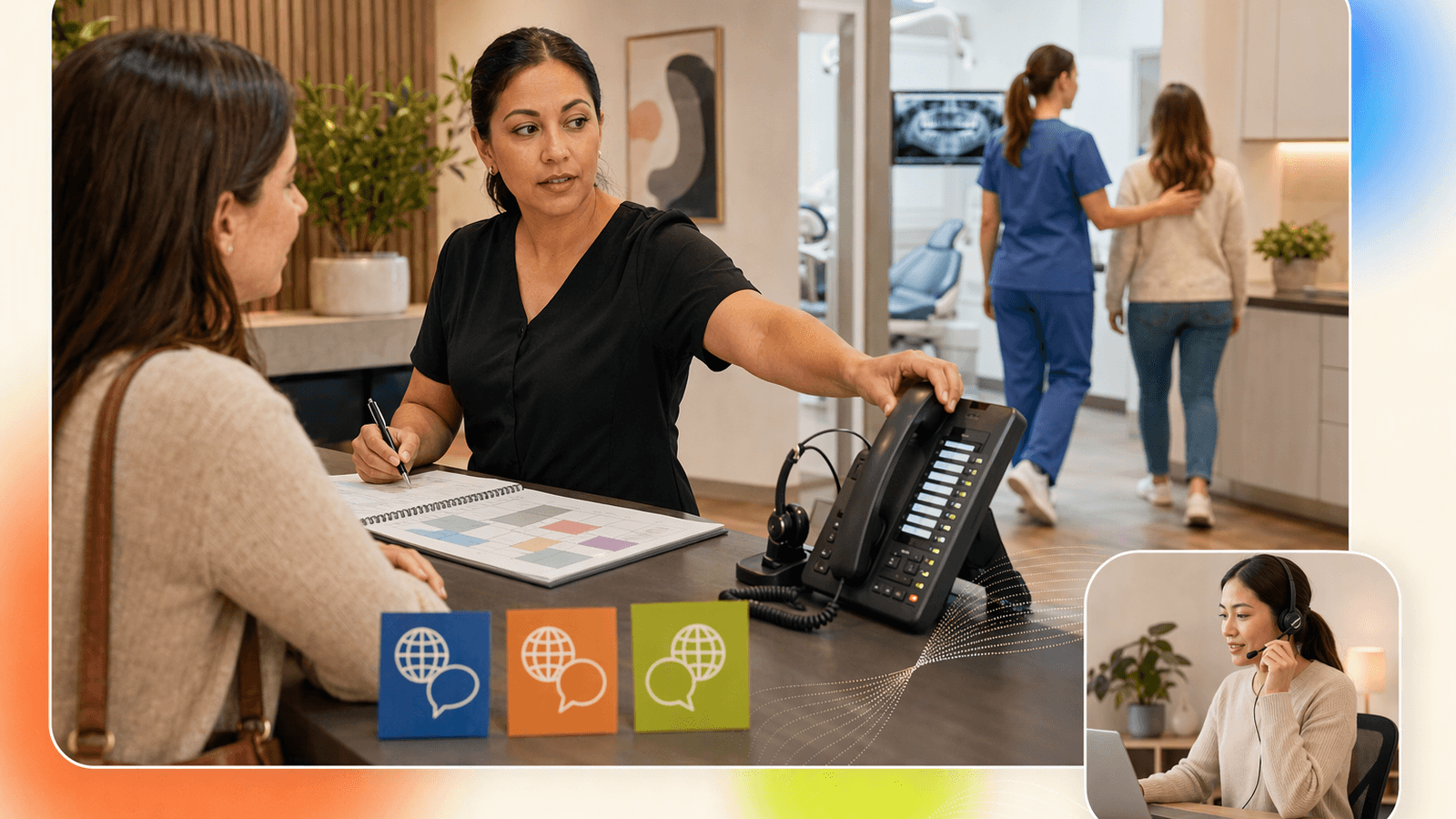
A bilingual virtual receptionist helps local service businesses answer more calls from English, Spanish, and Chinese-speaking customers when staff are busy, after hours, or serving clients in person. For appointment-based businesses, the right setup should answer common questions, confirm service details, check availability, book or route the appointment, and escalate sensitive requests to a person.
For salons, spas, pet groomers, fitness studios, and wellness clinics, DeskBuddy is a practical AI receptionist option because it supports English, Spanish, and Chinese calls, answers 24/7, connects with Google Calendar, Mindbody, and Square, and starts at $39.9/month. Live bilingual answering still makes sense for complex regulated workflows, but for routine booking calls, an AI phone receptionist can cover more hours at a lower monthly cost.
Why bilingual call answering matters for local service businesses
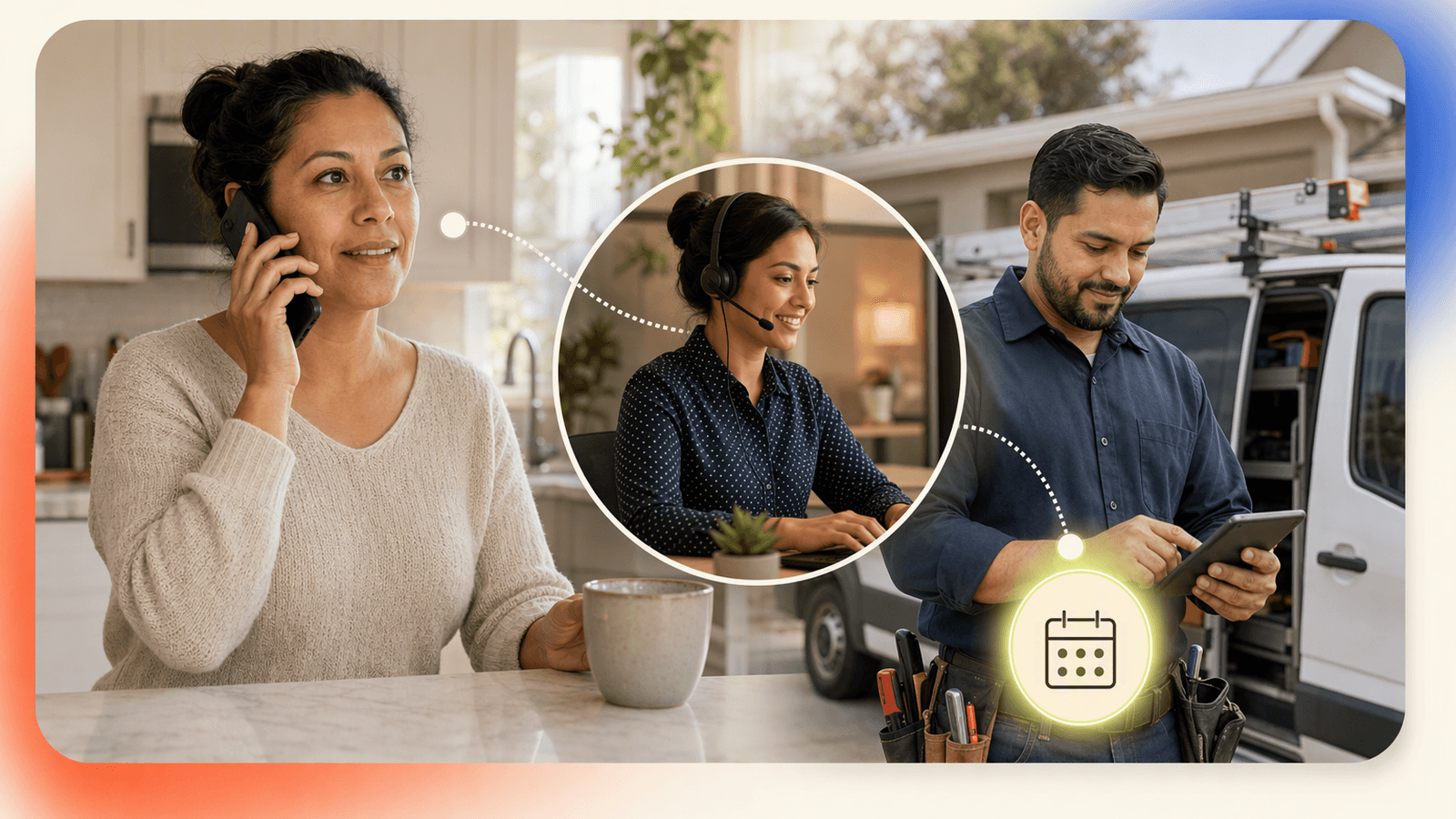
Language support is not a “nice extra” when your revenue depends on phone appointments. If a caller cannot explain what they need, confirm a time, or ask about pricing in the language they are comfortable using, they may call the next business.
In the U.S., more than one in five people age 5 and older speaks a language other than English at home, according to the U.S. Census Bureau’s language use data. Spanish is the most common non-English language, and Chinese is one of the most widely spoken Asian languages.
Missed multilingual calls usually happen at the worst moments:
- A stylist is applying color and cannot pick up.
- A pet groomer has both hands on a nervous dog.
- A massage therapist is in session.
- A studio owner gets calls after closing.
- A front desk employee speaks English, but the caller prefers Spanish or Chinese.
Helpful resources: DeskBuddy AI receptionist for small businesses, 24/7 appointment call answering, and DeskBuddy for salons and spas.
Common booking scenarios where language support increases trust
A bilingual or multilingual receptionist is most valuable when the caller needs more than a yes-or-no answer.
| Scenario | What the caller needs | Why language matters |
|---|---|---|
| New salon client | Service options, price range, stylist availability | Hair services often require explanation before booking |
| Pet grooming client | Breed, weight, coat condition, vaccine policy | Misunderstanding details can create scheduling problems |
| Spa or massage client | Session length, therapist preference, package details | Comfort expectations are easier in the caller’s language |
| Fitness or wellness client | Class schedule, trainer availability, intro session | Callers may need help choosing the right service |
| Healthcare-adjacent office | Hours, visit type, callback routing | Sensitive questions should be escalated correctly |
For example, a Chinese-speaking caller may ask whether a nail salon has same-day availability for gel extensions and whether a specific technician is available. A Spanish-speaking pet owner may ask how long a full groom takes for a husky and whether pickup is flexible. In each case, the goal is the same: answer quickly, collect the right information, and move the caller toward a confirmed appointment or a clean handoff.
For industry-specific workflows, see DeskBuddy for pet service businesses and DeskBuddy for fitness and wellness studios.
Bilingual virtual receptionist options: live human, AI, and hybrid
There are three common ways to cover multilingual calls.
1. Live bilingual answering service
A live answering service uses remote receptionists to answer forwarded calls. Competitors such as ReceptionHQ and Ruby publish bilingual answering service pages for English and Spanish call handling.
Best fit:
- Businesses that want a human voice for every call
- Legal, medical, or sensitive industries with complex scripts
- Teams that need warm transfers to multiple departments
Tradeoffs:
- Pricing often depends on minutes, call volume, or plan tier
- Coverage quality can vary by agent availability
- Appointment booking may require extra setup or may not sync with your calendar
2. AI receptionist
An AI receptionist answers calls using natural conversation and follows your booking rules. This works well when most calls are repetitive: hours, prices, availability, booking, rescheduling, cancellation policy, directions, and basic service questions.
Best fit:
- Small businesses that miss calls during services
- Owners who need after hours virtual receptionist coverage
- Teams that want calendar-connected appointment support
- Businesses that receive English, Spanish, and Chinese calls
Tradeoffs:
- Complex emotional or regulated conversations should be escalated
- You must provide clear service menus and policies
- It is not a replacement for a licensed professional or medical advice
3. Hybrid model
A hybrid model uses AI for routine calls and humans for exceptions. DeskBuddy can answer after-hours and missed calls while staff handle peak front-desk hours, complaints, urgent healthcare questions, refund disputes, or special accommodations.
Feature comparison: language switching, appointment booking, FAQs, and escalation
The best virtual receptionist small business setup should be evaluated by what happens during a real call, not just by whether the provider says “bilingual.”
| Feature | Live bilingual service | AI receptionist | Hybrid |
|---|---|---|---|
| English and Spanish answering | Usually available | Available with the right product | Yes |
| Chinese call handling | Varies by provider | DeskBuddy supports Chinese | Yes |
| 24/7 coverage | Often plan-dependent | Built for 24/7 coverage | Yes |
| Appointment scheduling | Sometimes included | Core use case for DeskBuddy | Yes |
| Calendar sync | Varies | Google Calendar, Mindbody, Square with DeskBuddy | Yes |
| FAQ handling | Script-based | Knowledge-based from your policies | Yes |
| Escalation to staff | Usually available | Available for complex cases | Yes |
| Cost predictability | Can vary by minutes | Monthly plans with call limits | Medium |
A practical call flow should look like this:
- Caller speaks naturally in English, Spanish, or Chinese.
- Receptionist confirms the reason for the call.
- Reception3. Receptionist answers basic questions from your approved policy list.
- Receptionist checks your calendar or booking rules.
- Caller receives a booking option or next step.
- Staff receive the appointment details or escalation note.
Useful setup pages: Google Calendar appointment sync, Mindbody scheduling integration, and Square appointment workflow support.
Pricing comparison: bilingual live answering vs AI receptionist
Pricing should be compared on the cost of coverage, not only the advertised starting price.
| Option | Typical cost structure | What to watch |
|---|---|---|
| Full-time front desk | Payroll cost; DeskBuddy’s internal benchmarks commonly see $2,500–$4,000/month | Does not automatically cover nights, weekends, sick days, or multilingual demand |
| Live virtual receptionist | Often monthly base plus usage | Bilingual handling, transfers, and appointment support may vary by plan |
| AI phone receptionist | Fixed SaaS subscription with call allowance | Best when calls are mostly booking and FAQ-related |
| DeskBuddy Standard | $39.9/month, 100 calls/month | Good for solo providers and small studios |
| DeskBuddy Professional | $99.9/month, 300 calls/month, up to 5 locations | Good for busier teams and multi-location operators |
DeskBuddy also offers a 7-day free trial with 20 calls, no credit card required. Overage is $1.00/call on Standard and $0.50/call on Professional.
For external benchmarks, the U.S. Bureau of Labor Statistics publishes wage data for receptionists and information clerks. ReceptionHQ and Ruby also publish bilingual answering pages for live call handling. Check each provider’s current pricing page before buying because usage rules change.
Sources: U.S. Census Bureau language use data, U.S. Bureau of Labor Statistics receptionist wage data, ReceptionHQ bilingual answering service, and Ruby bilingual answering service.
How DeskBuddy supports English, Spanish, and Chinese calls
DeskBuddy is built for appointment-based service businesses that need help answering calls, booking appointments, and reducing missed opportunities. It supports English, Spanish, and Chinese, so callers can ask questions and complete booking steps in the language they are most comfortable using.
For a salon, DeskBuddy can help with service questions, availability checks, booking requests, rescheduling, cancellations, after-hours calls, and staff handoff for special cases. For a pet care business, it can collect pet type, size, service requested, and preferred time. For a fitness or wellness studio, it can help callers ask about intro sessions, trainer availability, class times, or membership callbacks.
DeskBuddy connects with Google Calendar, Mindbody, and Square, so the receptionist workflow can fit into tools many service businesses already use. Setup is designed to take minutes, not weeks, and DeskBuddy’s plans are month-to-month.
DeskBuddy’s internal product benchmarks include 1,000+ businesses using the service, 10,000+ real calls handled, 99.9% online rate, and 500+ reviews averaging 4.9/5. If one recovered appointment is worth $50–$300+, even a few saved calls can cover the monthly subscription.
Start with DeskBuddy pricing and plans if you want to compare call allowances.
Setup tips for service menus, policies, and multilingual FAQs
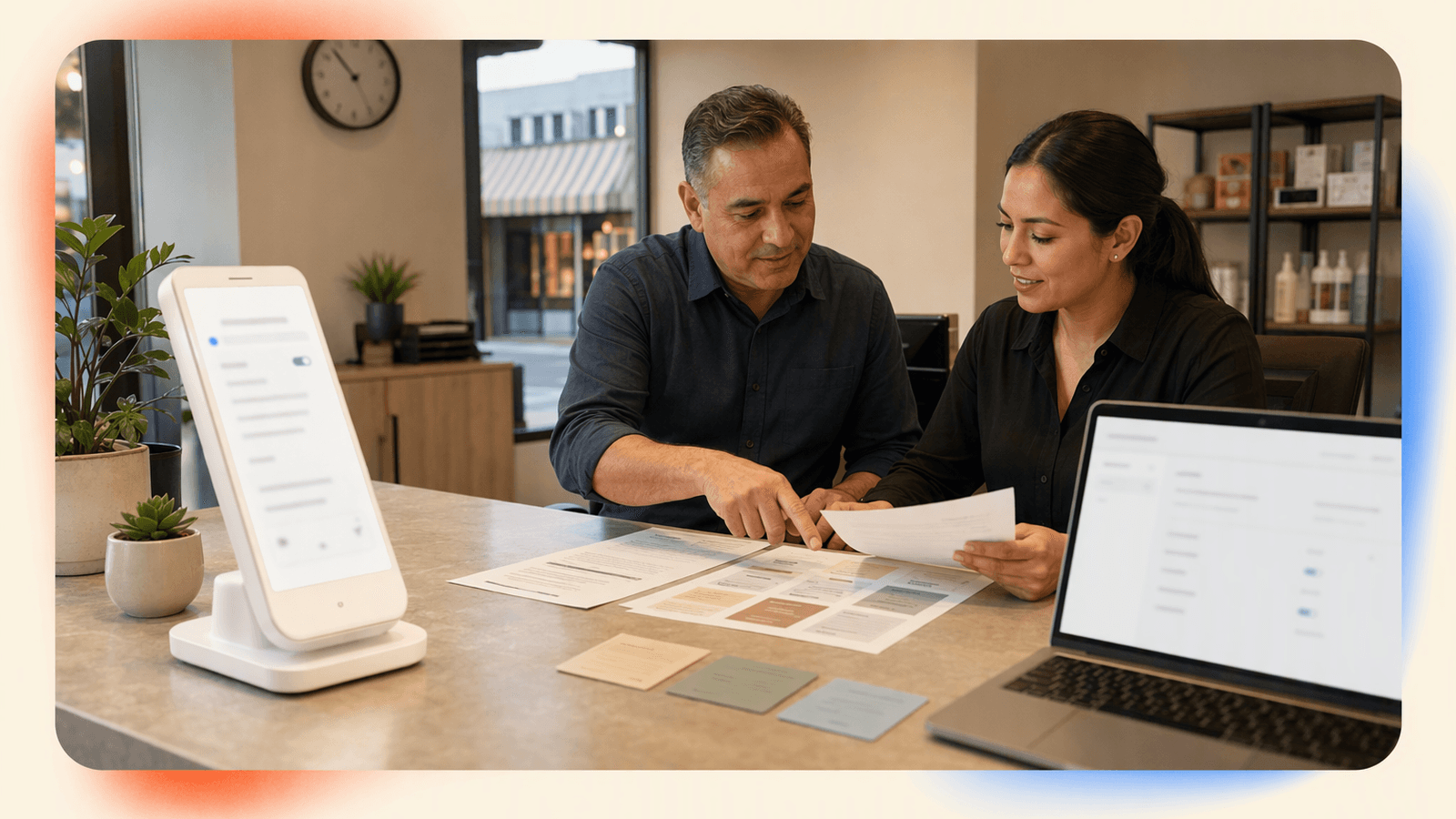
The best results come from clear instructions. Before turning on a bilingual virtual receptionist, prepare these items in plain language:
- Service menu: list services how customers ask for them, such as women’s haircut, root touch-up, gel manicure, lash refill, full groom, intro session, or massage length. Add duration, starting price if shared by phone, and eligible staff.
- Booking rules: include earliest and latest appointment times, deposit rules, cancellation window, same-day booking policy, services requiring consultation, and staff who accept new clients.
- Multilingual FAQ: create approved answers for hours, parking, late arrivals, payments, new client requirements, pet vaccination requirements, packages, and when a staff callback is required.
- Escalation rules: route medical symptoms, angry complaints, refund disputes, allergic reaction concerns, legal or insurance questions, and requests involving minors or special accommodations to staff.
For healthcare-related businesses, be especially careful. A virtual receptionist healthcare workflow may need language access, privacy, and compliance review. The U.S. Department of Health and Human Services provides guidance on language access and civil rights obligations. Source: HHS Office for Civil Rights language access resources.
How to measure impact from better call coverage
Track results for at least 30 days before judging performance.
| Metric | Why it matters |
|---|---|
| Missed calls before vs. after | Shows whether coverage improved |
| After-hours calls answered | Reveals demand outside business hours |
| Calls by language | Helps decide whether Spanish or Chinese demand is growing |
| Booked appointments from phone calls | Connects answering to revenue |
| Escalations to staff | Shows whether policies are clear enough |
| No-shows or booking errors | Helps improve scripts and service rules |
A useful weekly review takes 15 minutes: count answered calls, booked appointments, and staff follow-ups; review confusing calls; and update FAQs or booking rules. If you recover even two appointments worth $100 each, that can be more meaningful than a long report full of vanity metrics.
How to Build an App Like This with Tencent RTC
To build a bilingual appointment-call experience with Tencent RTC, separate the voice layer from the business logic. Tencent RTC handles low-latency audio sessions; your backend manages identity, routing, call events, language preference, appointment APIs, and escalation rules. Start with the official Tencent RTC Web SDK documentation at https://trtc.io/document/48369, then connect your app to a calendar or booking system.
A minimal frontend joins an audio room for the receptionist session:
import TRTC from "trtc-sdk-v5";

const trtc = TRTC.create();
await trtc.enterRoom({
  sdkAppId: Number(process.env.NEXT_PUBLIC_TRTC_SDK_APP_ID),
  userId: "caller_123",
  userSig: callerUserSig,
  roomId: 9001
});
await trtc.startLocalAudio();
On the backend, keep appointment actions explicit and auditable:
app.post("/appointments", async (req, res) => {
  const { name, phone, language, service, startTime } = req.body;
  if (!["en", "es", "zh"].includes(language)) return res.sendStatus(400);
  const booking = await calendar.createEvent({ name, phone, service, startTime });
  res.json({ status: "confirmed", bookingId: booking.id });
});
Use escalation rules before confirmation: urgent requests, unclear intent, refund disputes, and healthcare questions should trigger a staff callback instead of an automated booking.
Never miss another customer call.
Get started freeKeep reading
After Hours Virtual Receptionist: Capture Bookings
Learn how an after hours virtual receptionist captures calls, books appointments, and reduces next-day follow-up. Try DeskBuddy.
24/7 Call Answering Service for Appointment Businesses
Compare 24 7 call answering service options for salons, spas, pet care, and fitness studios. See how DeskBuddy books calls—start free.
Virtual Medical Receptionist Guide for Small Clinics
Learn how a virtual medical receptionist covers appointment calls, after-hours questions, messages, and handoffs. See the checklist.